Gallery Login

Track Order

We would just like to say how delighted we are with our three paintings.They are absolutely brilliant....


logo, banner
Complete Artist List
Recommended Artists
Alson Skinner Clark
Amedeo Modigliani
Andre Derain
August Macke
Barnett Newman
Berthe Morisot
Camille Pissarro
Charles M Russell
Childe Hassam
Claude Monet
Diego Rivera
Edgar Degas
Edouard Manet
Edvard Munch
Edward Hopper
Egon Scheile
Ernst Kirchner
Frank Weston Benson
Franz Kline
Franz Marc
Fernando Botero
Fernand Leger
Frederic Remington
Frederick Carl Frieseke
Frida Kahlo
George Grosz
Georges Seurat
Georgia O'Keeffe
Georgio Morandi
Gustave Caillebotte
Gustav Klimt
Hans Hofmann
Henri Matisse
Jackson Pollock
James McNeill Whistler
Johannes Vermeer
John Constable
John Singer Sargent
Joan Miro
Joan Mitchell
Juan Gris
L S Lowry
Marc Chagall
Mark Rothko
Mary Cassatt
Max Ernst
Milton Avery
Pablo Picasso
Paul Cezanne
Paul Gauguin
Paul Klee
Pierre Auguste Renoir
Pierre Bonnard
Piet Mondrian
Salvador Dali
Tamara de Lempicka
Vincent Van Gogh
Wassily Kandinsky
William Glackens
William Merrit Chase
Genre / Styles
20th Century
Abstract-Expressionism
African-American
American-Art
Art-Deco
Art-Nouveau
Baroque
Cowboy-Western
Cubism
European-Art
Expressionism
Fauve
Group-of-Seven
Hudson-River-School
Impressionism
Landscapes
Movie Posters
Nabis
Old Masters
Pin-Ups
Pointillism
Pop-Art
Portraits
Post-Expressionism
Post-Impressionism
Pre-Raphaelite
Realism
Seascapes
Secessionist
Still Life
Surrealism

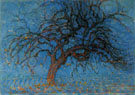
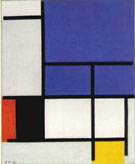
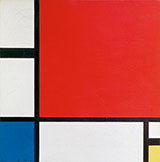
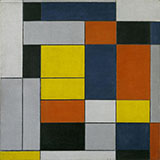
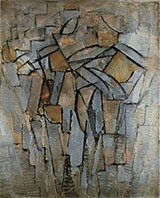
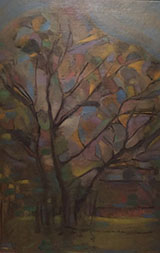
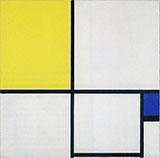
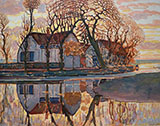
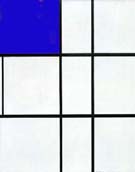
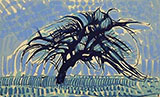
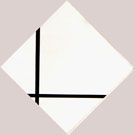
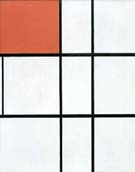
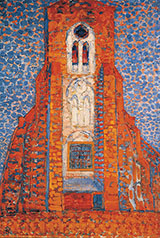
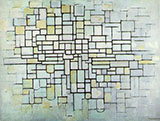
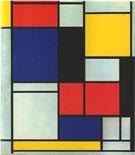
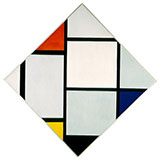
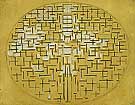
Piet Mondrian - Reproduction
Show paintings per page
Your Piet Mondrian painting is hand painted by one of our in house artists using the finest quality canvas and Winsor and Newton Professional Oils, Each Piet Mondrian Oil Painting comes with a full Money Back Guarantee and Free Shipping Worldwide.



Contact Us Now
 (+1) 352 505 2979
 (+44) 01865 522889

left, right panel
Complete Artist List
Have Question? Call Toll Free
1-800-442-5139